

Recognizing and Treating Decay in Children's Mouths
The earlier decay in the baby teeth is detected, the more gently it can be treated.
Book an appointment(030) 333 111 90
Send an emailinfo@dr-mustermann.de
Online AppointmentRequest online now
How Does Decay Develop in Baby Teeth?
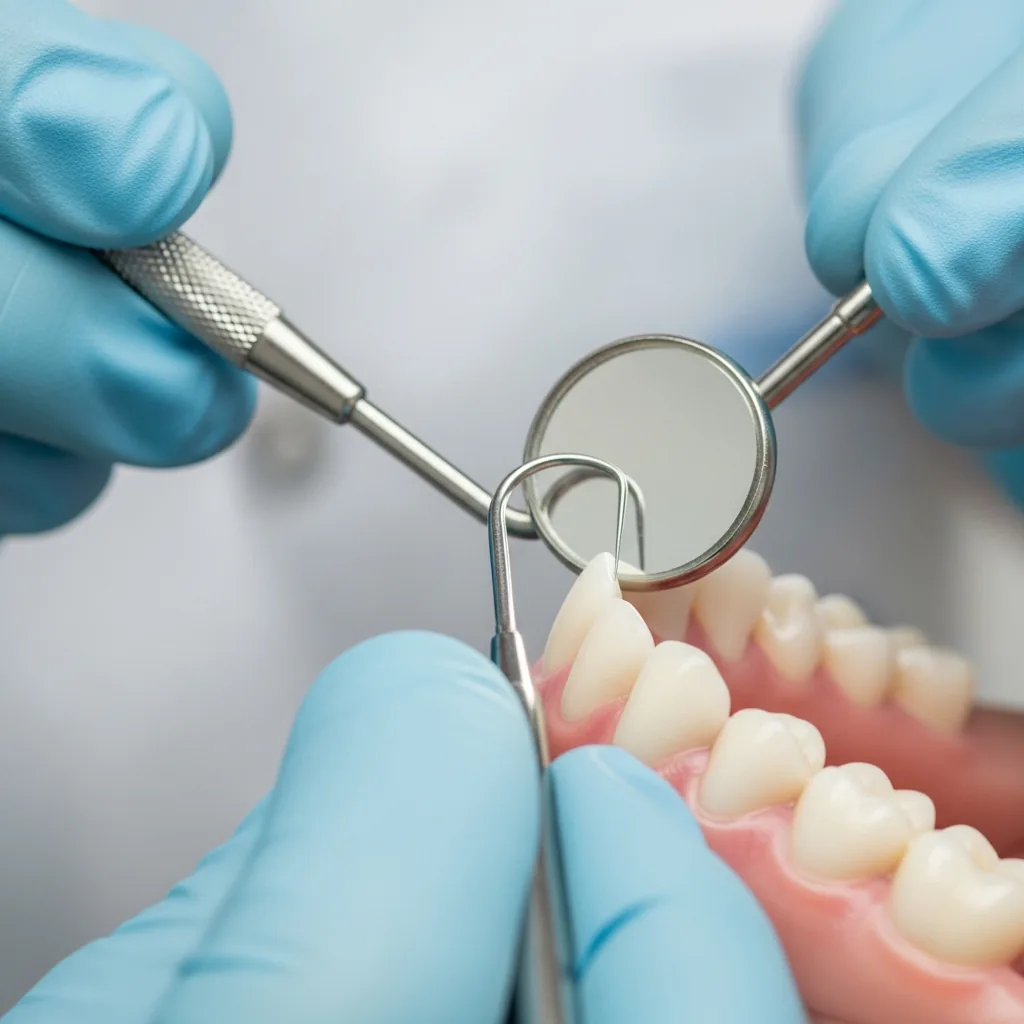
Baby teeth have thinner enamel than permanent teeth and are therefore more susceptible to decay. Sugary drinks and foods, irregular brushing, or constant sucking on a baby bottle can promote the development of decay.
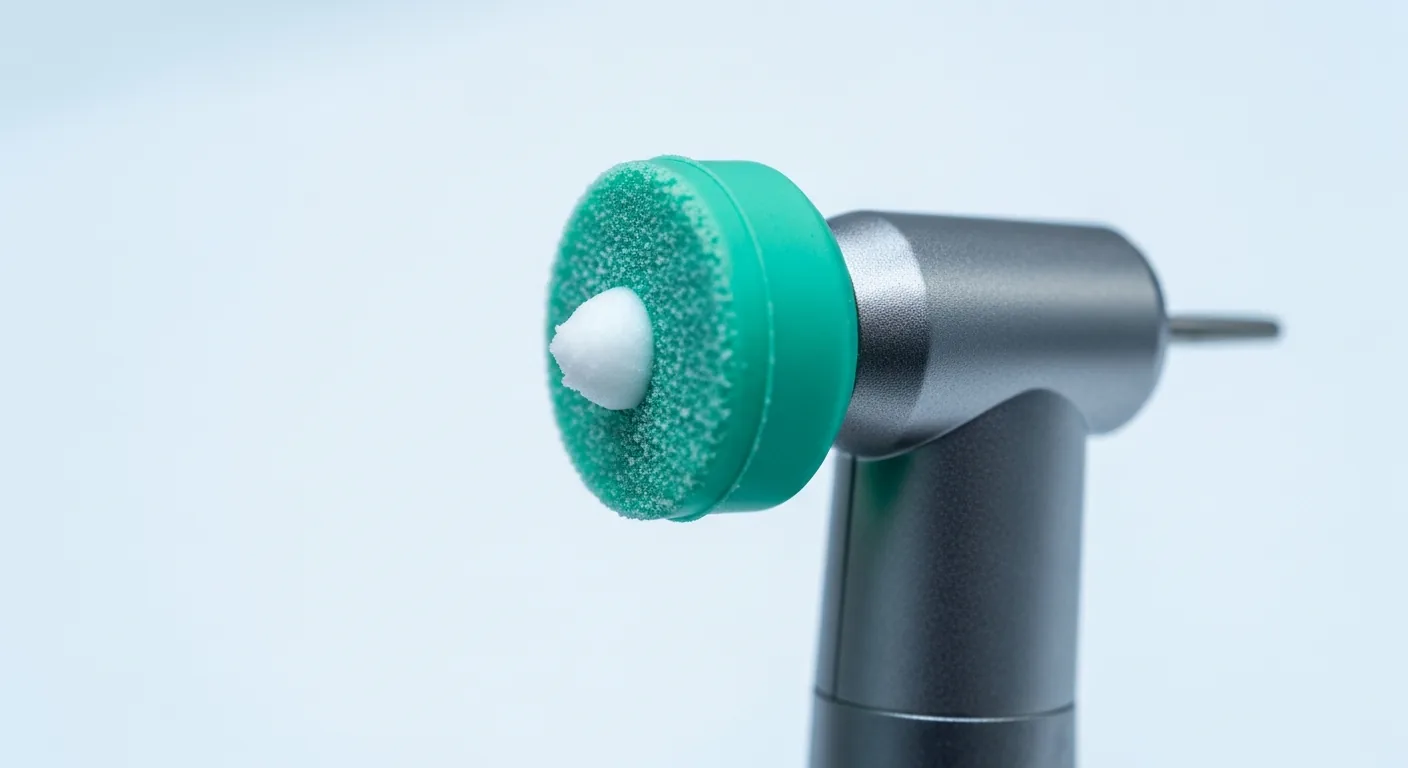
An effective protection against chewing-surface decay is sealing the fissures the small grooves on the chewing surfaces of the molars where bacteria can easily settle.
Left untreated, decay in the baby teeth can become painful and even affect the development of the permanent teeth. That is why early detection and treatment are so important.
Detect It Early
Signs to Watch For
The earlier decay is detected, the easier the treatment.
White or Brown Spots
Initial discoloration on the enamel can be an early warning sign.
Sensitivity
If your child reacts sensitively to sweet, cold, or hot food, we should take a look.
Visible Holes
Small holes or rough spots can often be detected early.
Pain While Chewing
If your child complains of pain while eating, please schedule an appointment promptly.
How We Protect and Treat
Prevention and Treatment
From sealing to fillings matched to your child's specific situation.

Key Points at a Glance
- Baby teeth have thinner enamel and are more susceptible to decay than permanent teeth.
- White/brown spots, sensitivity, or holes are early warning signs.
- Fissure sealing preventively protects the chewing surfaces from decay.
- Untreated decay can affect the development of the permanent teeth.
Frequently Asked Questions
Does decay in baby teeth even need to be treated, since they fall out anyway?
Yes, absolutely. Untreated decay can become painful, become inflamed, and even affect the development of the permanent teeth underneath. Baby teeth also serve as space holders for the permanent dentition.
How can I detect decay in my child early?
Watch for white or brownish spots on the enamel, sensitivity to sweets or cold, and visible holes. If you're unsure, it's best to schedule a check-up appointment soon.
What is fissure sealing and how does it help?
With fissure sealing, the small grooves on the chewing surfaces of the molars are closed with a thin protective coating. This prevents bacteria from settling there, significantly reducing the risk of decay.